-
Between the Continuous Solid-Electrolyte Process and the Assembly Line: How Should the Buffer Interface Be Designed?
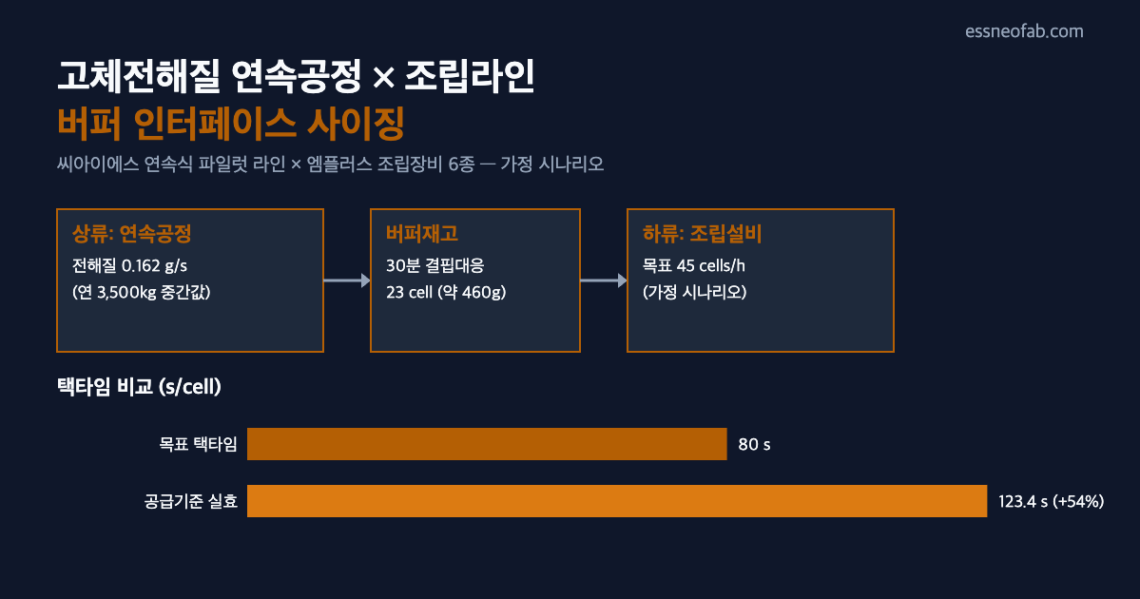
CIS's continuous-process pilot line for sulfide-based solid electrolyte at its Daegu Plant 3 (2–5 t/year, expanded from the existing batch process's 840 kg) and M Plus's order for six types of all-solid-state battery assembly equipment (targeting development/fabrication completion by end-2026) reveal a textbook interface problem: the production capacities of the upstream materials process and the downstream assembly process are not scaled up on the same timeline. This article estimates, as an assumed scenario, the buffer stock and takt-time loss required between these two processes, to quantitatively pin down why the materials-assembly interface design is a leading variable for the line's overall OEE (Overall Equipment Effectiveness). The downstream assembly equipment's target…
You May Also Like
Even a tenfold faster model moves the whole by 1.29x — what “5 to 10 times faster commissioning” actually requires
Don’t Subtract Breakdowns When Calculating Takt Time — Takt Time vs. Cycle Time vs. Lead Time
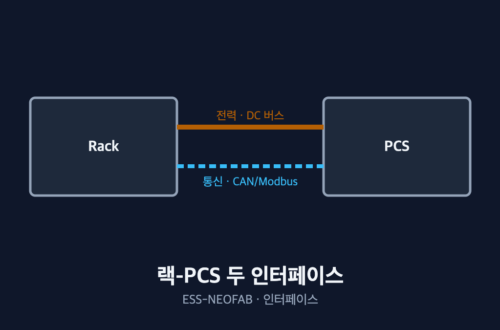
Between the Battery Rack and the PCS: Two Points Where the Interface Diverges
-
Solid Electrolyte and Aqueous Zinc Batteries: Investment Is Up — Is the Line Ready?
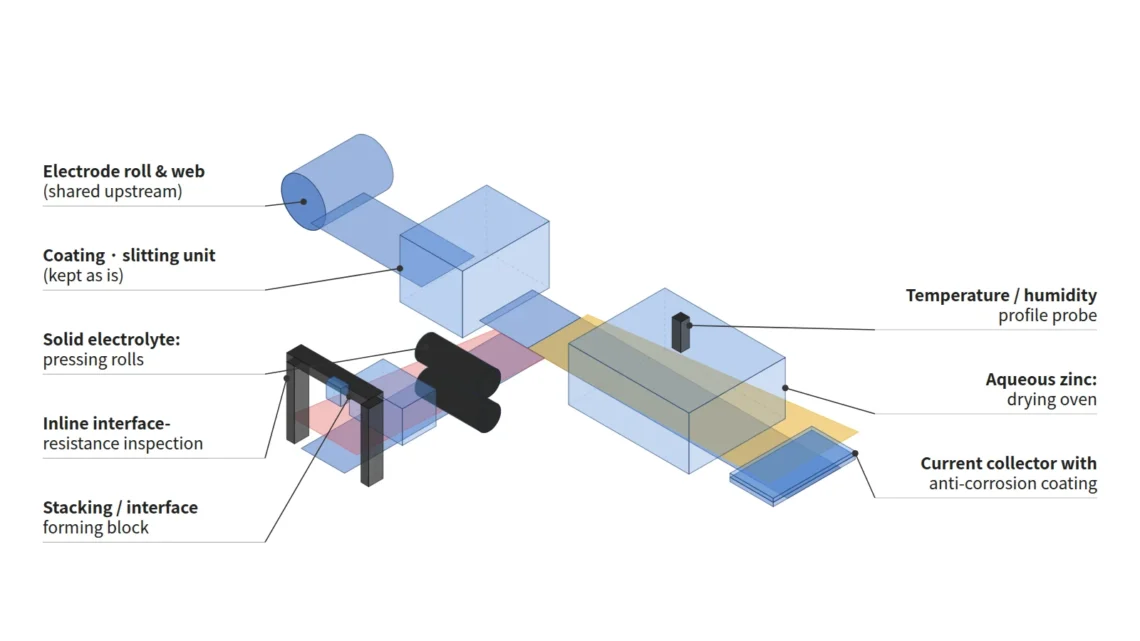
In August 2026, two domestic battery-material startups raised large investment rounds in quick succession. A solid-electrolyte specialist secured KRW 23.0 billion in a Series C round, and an aqueous zinc-ion battery company secured KRW 22.0 billion in a Series A round. Both companies handle materials whose process conditions differ from the conventional lithium-ion system, so from a shop-floor standpoint, the more important question is not the investment news itself but "what changes once this material actually reaches a mass-production line." Key Points at a Glance CategorySolid ElectrolyteAqueous Zinc-Ion Battery Funding roundSeries CSeries A Funding amountKRW 23.0 billionKRW 22.0 billion Difference from conventional lithium-ionThe liquid-electrolyte impregnation process itself disappears or shrinksUses…
You May Also Like
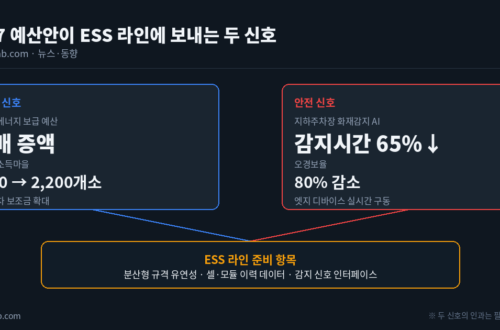
Doubling the Renewable-Energy Budget and Underground-Parking EV Fire-Detection AI — Two Signals the 2027 Budget Sends to the ESS Line
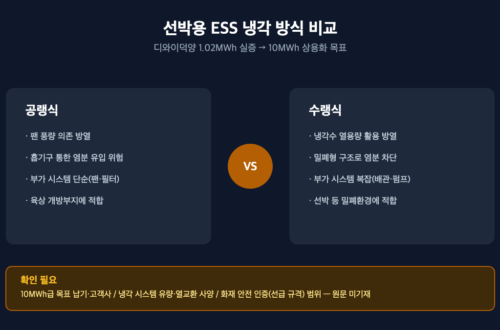
DY Duckyang’s 10 MWh-Class Marine ESS — What the Water-Cooled Demonstration Means for System Design
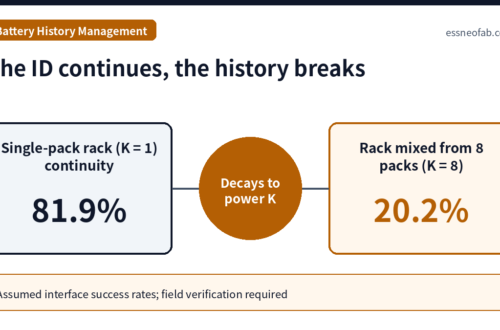
After Korea’s Battery History Management System: IDs Continue, Operating History Breaks — History Continuity of ESS Reuse Racks