-
The 2026 Edition of NFPA 855 Changes ESS Rack Design and Traceability Documentation at the Same Time
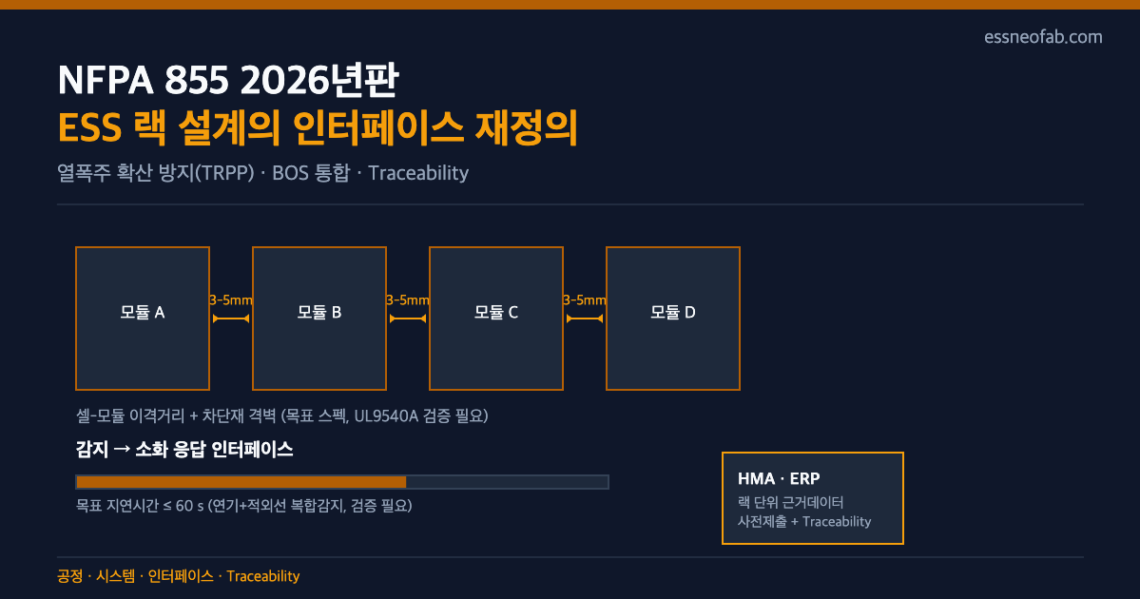
The 2026 edition of NFPA 855 shifts the center of gravity of ESS (Energy Storage System) safety standards from preventing ignition at the cell level to Thermal Runaway Propagation Prevention (TRPP) at the rack/container level. This revision is a line/system-engineering matter, not a problem of the battery's own material properties, in that it brings the entire BOS (Balance of System) — including cell-to-cell spacing, detection interfaces, and cooling wiring — into the scope of design. At the same time, mandatory pre-submission of the HMA (Hazard Mitigation Analysis) and ERP (Emergency Response Plan) to fire authorities has made a Traceability system that tracks and retains design-basis data at the rack level…
You May Also Like
Designing the Merge Point in a 10 GWh Pack-Container Integration Line: Synchronizing Two Upstream Lines and Sizing AGV Fleet from the Powertrac × Sunka Lead Order
FAT and SAT Differ in More Than Location — How IEC 62381:2024 Defines the Tests
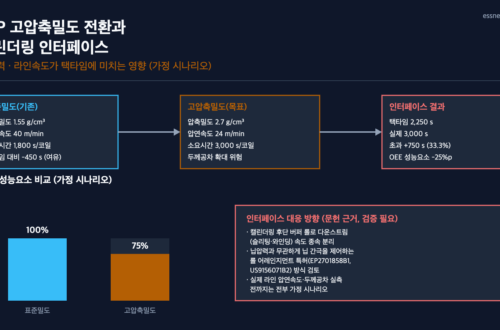
LFP High-Compaction-Density Conversion and the Calendering Interface: How Nip Pressure and Line Speed Affect Takt Time
-
BMS, PCS, EMS: Why Do the Three ESS System Layers Move at Different Speeds?
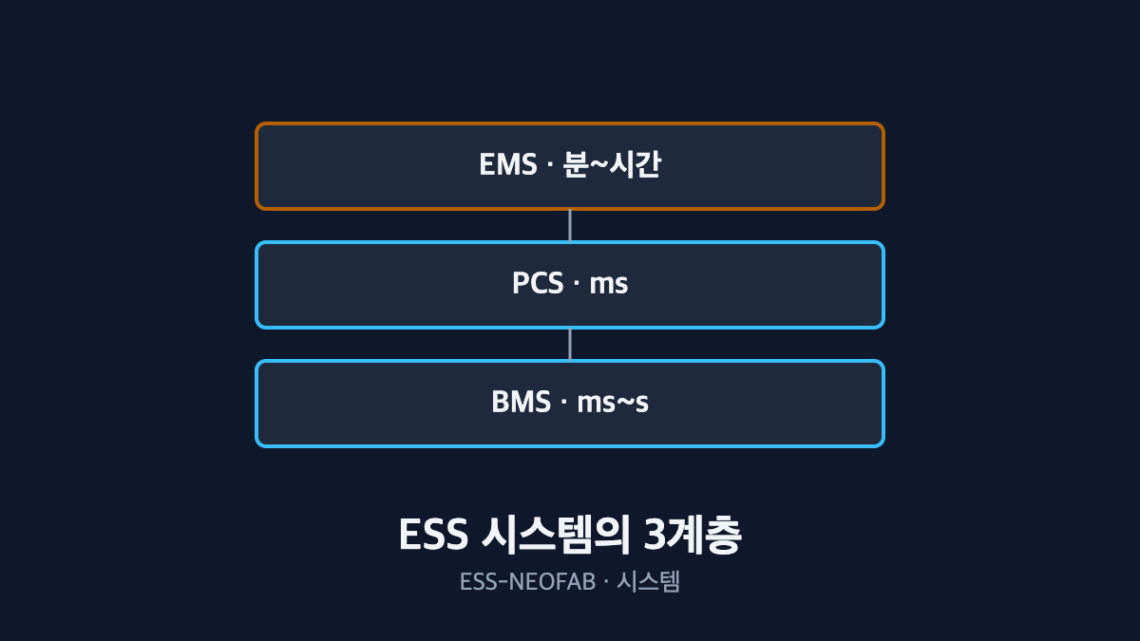
Describing an ESS as "a battery with a PCS attached" is only half right. BMS, PCS and EMS each make decisions on a different time axis, and the gap between their control periods is not a qualitative remark but a quantitative one of roughly seven orders of magnitude (10). That gap is why the three layers cannot be collapsed into one control loop, and whether a protection response can ride on the communication chain must be judged by the product of chain latency and voltage rise rate. Every figure below is an assumed value for illustration and must be recalculated against actual equipment specifications. 1. The Conclusion First — The…
You May Also Like
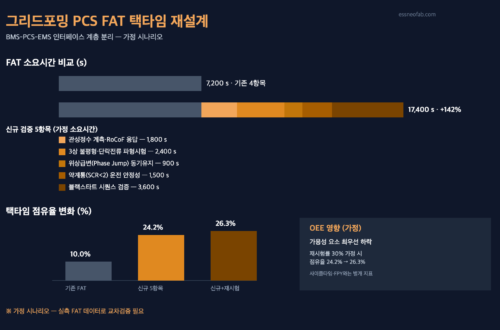
Grid-Forming PCS Mandate Redesigns FAT Takt Time and the BMS-PCS-EMS Interface
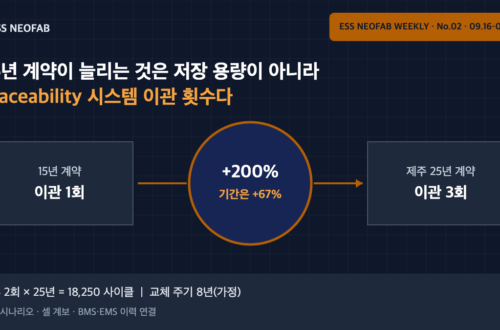
A 25-Year Contract Increases Migrations, Not Storage — Traceability Design for Jeju Long-Term ESS Contracts
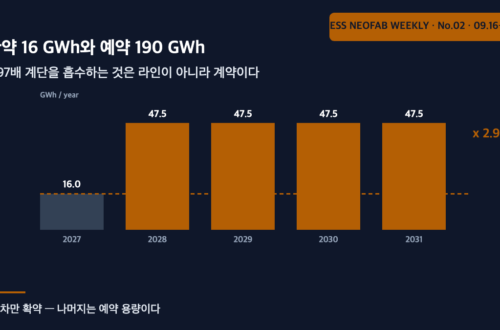
16 GWh committed and 190 GWh reserved — what absorbs the 2.97x step is the contract, not the line