-
StarPlus Energy’s Indiana Plant — The Blended-OEE Illusion Created by Sequential NCA/LFP Commissioning
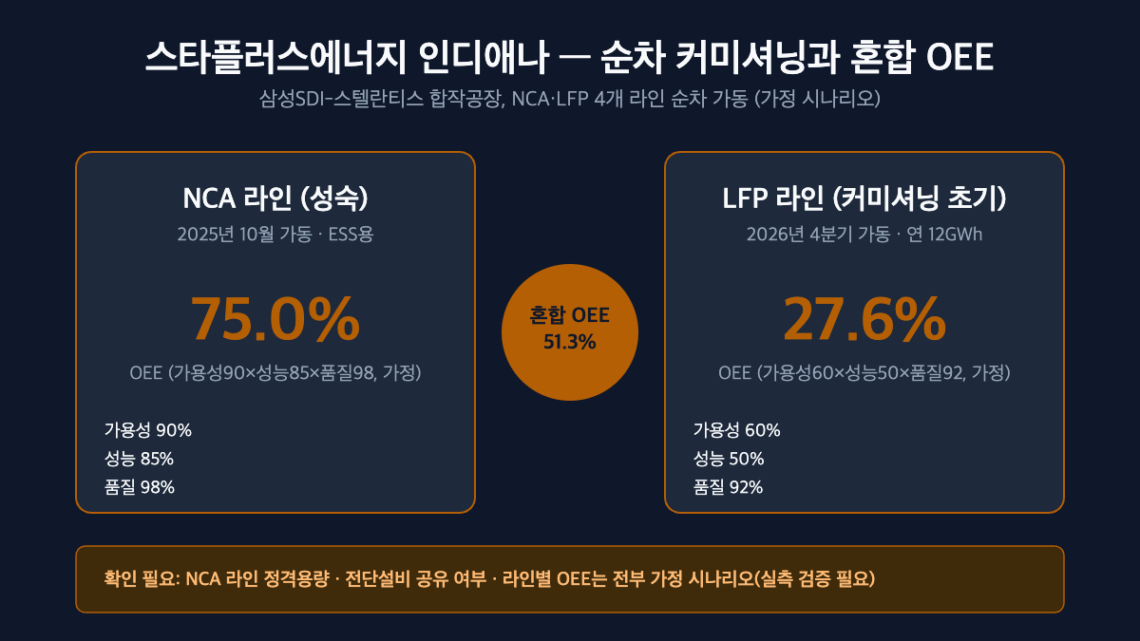
The Samsung SDI–Stellantis joint venture StarPlus Energy's Indiana (Kokomo) plant is bringing four lines online in sequence over 18 months: an NCA line starting October 2025, an LFP line (12 GWh/year) in Q4 2026, and additional NCA and LFP lines in Q1 2027. When lines of different chemistries (NCA, LFP) and end uses (EV, ESS) are commissioned at different times within a single site, a “Blended OEE” that sums the entire site into one number creates an illusion that obscures the actual performance of mature lines. This article back-calculates Takt Time from the publicly disclosed line-startup schedule and compares site-level blended metrics against line-level OEE under an assumed scenario. The…
You May Also Like
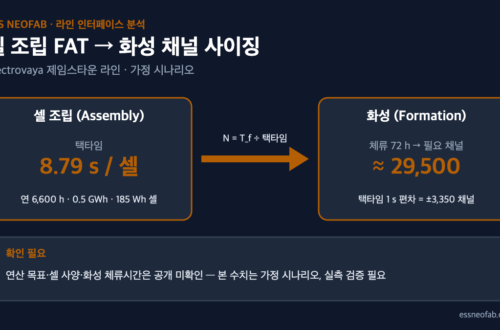
Formation Channel Sizing Read from a Cell Assembly Equipment FAT — How 1 Second of Takt Time Moves 3,350 Channels
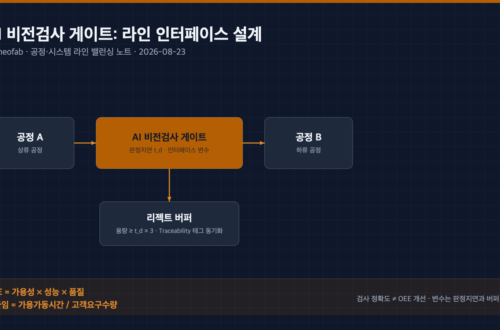
Embedding an AI Vision Inspection Gate in the Line: Redefining OEE and Takt-Time Design Variables
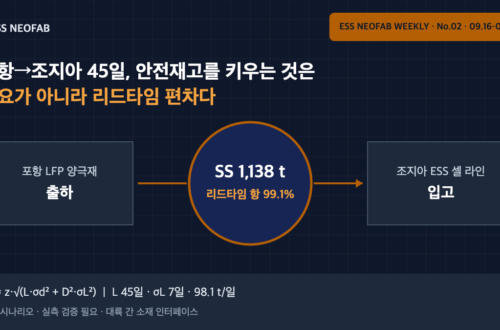
45 Days from Pohang to Georgia — Safety Stock at an Intercontinental Cathode Interface Is Driven by Lead-Time Variability, Not Demand
-
128 MW of Distribution-Grid ESS Volume Allocated — Can the Battery Pack Assembly Line Absorb the Takt Time?
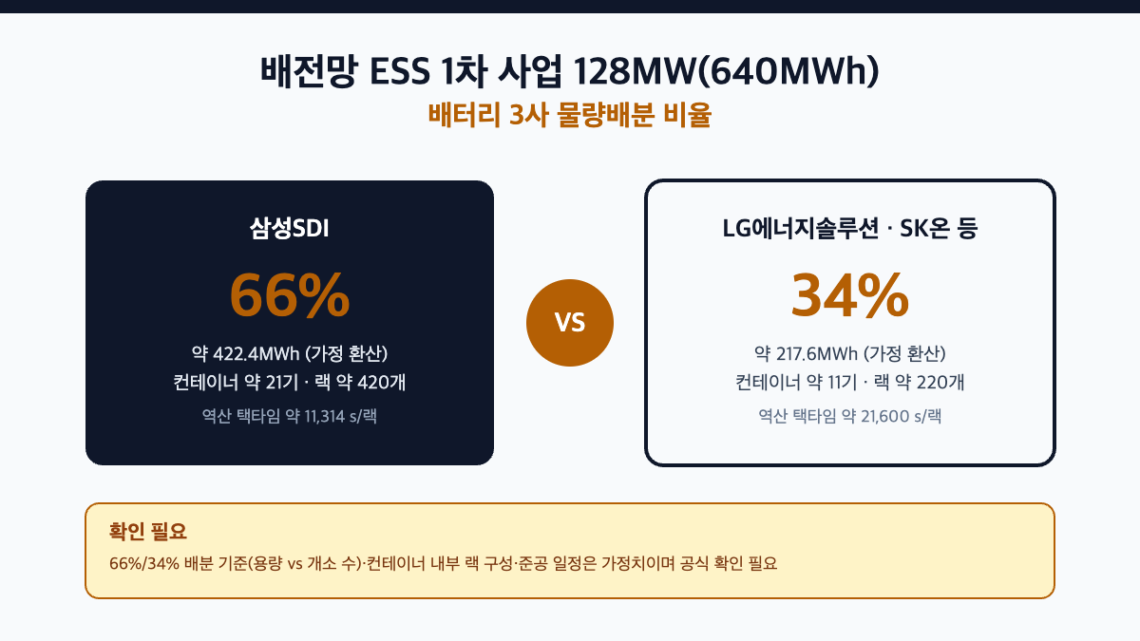
The Ministry of Climate, Energy and Environment’s Phase 1 distribution-grid ESS project — linked to additional renewable-energy interconnection — confirmed 9 operators and allocated a combined 128 MW (640 MWh) across 32 distribution feeders. Samsung SDI recorded the largest award at 66%, with LG Energy Solution and SK On splitting the remainder. This article converts that volume-allocation ratio into a load distribution across battery-pack assembly lines, and back-calculates, under an assumed scenario, how far the takt time diverges between operators. The conclusion is that a difference in procurement-volume ratio is carried straight through into a load imbalance at the production-line design stage, so Line Balancing review must be conducted together,…
-
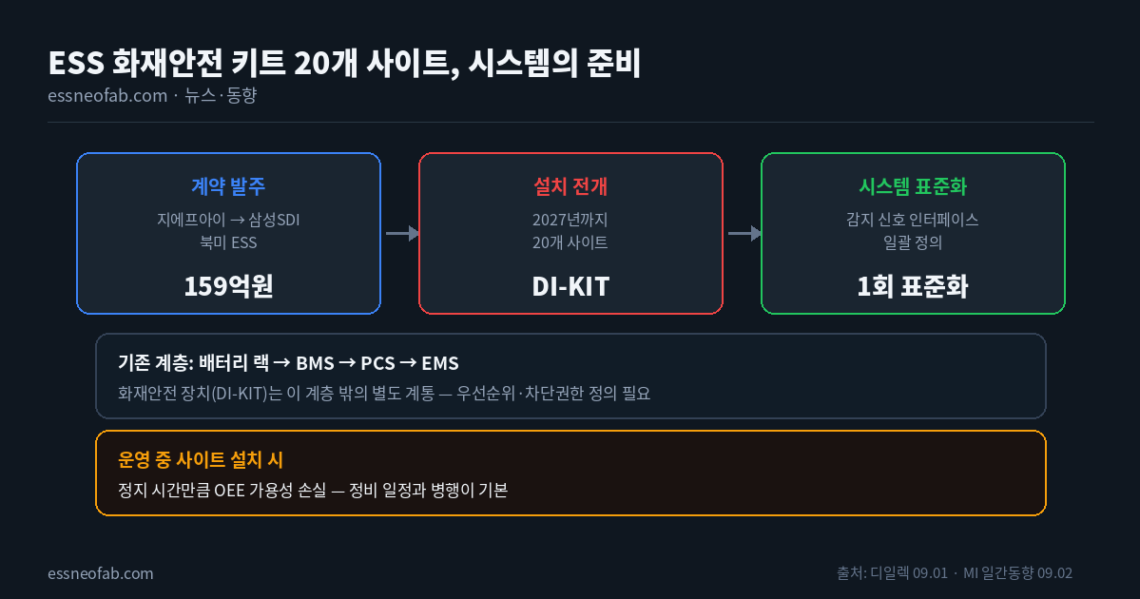
ESS Fire-Safety Kits Across 20 Sites — What the System Must Prepare
GFI has won a KRW 15.9 billion contract for Samsung SDI's North American ESS fire-safety solution. It will install DI-KIT at 20 sites by 2027. This contract shows that fire-safety devices are being ordered not as a cell-level option but as a site-level system line item. On the operations side, what is needed first is defining the installation sequence across the 20 sites and the interface with existing systems. 1. What Happened To state the conclusion first: ESS fire-safety solutions have moved into a phase of being applied in bulk across multiple sites. Until now, the general approach for North American ESS was to address site-specific safety requirements individually. Bundling…
You May Also Like
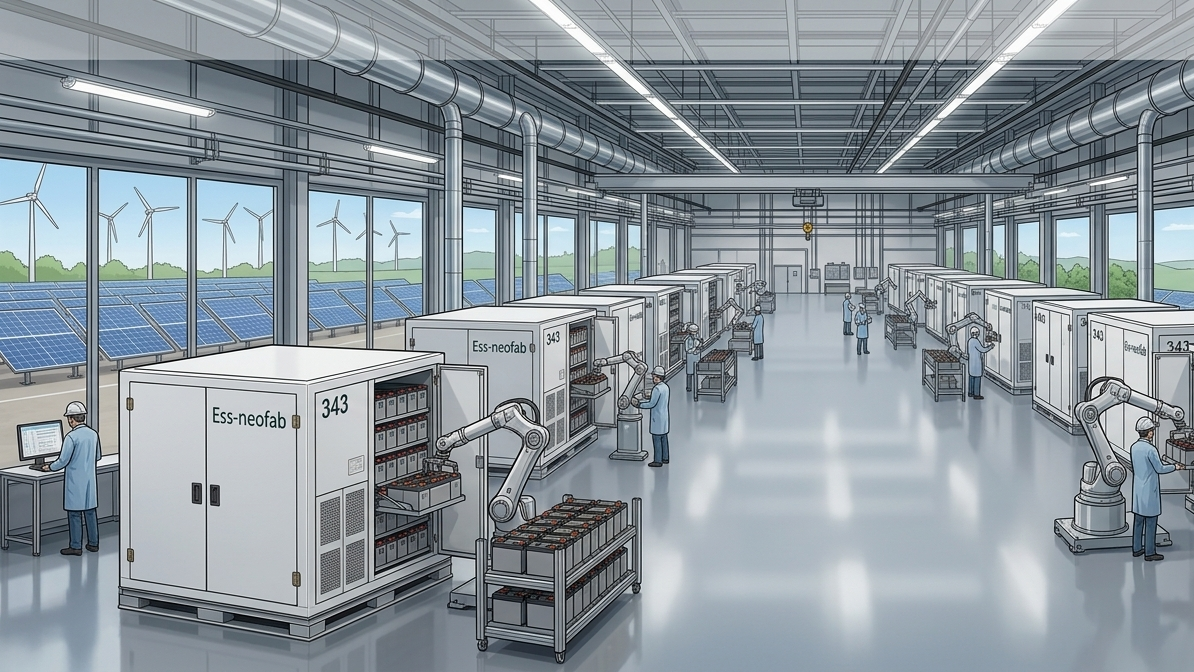
NFPA 855 (2026 Edition) Revision: ESS Safety Standards Expand From the Cell to the Entire System
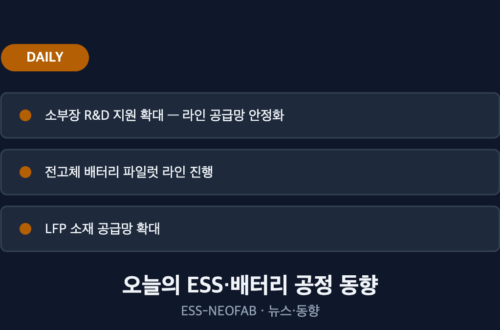
Today’s ESS/Battery Process Trends — Expanded Support for Materials/Parts/Equipment Lines, Solid-State/LFP Pilot Lines Launch (2026.08.07)
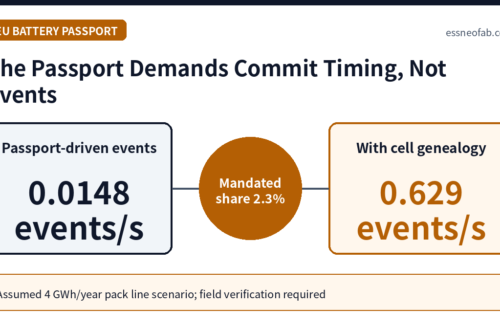
EU Battery Passport 2027: Which Station on an ESS Pack Line Commits What
-
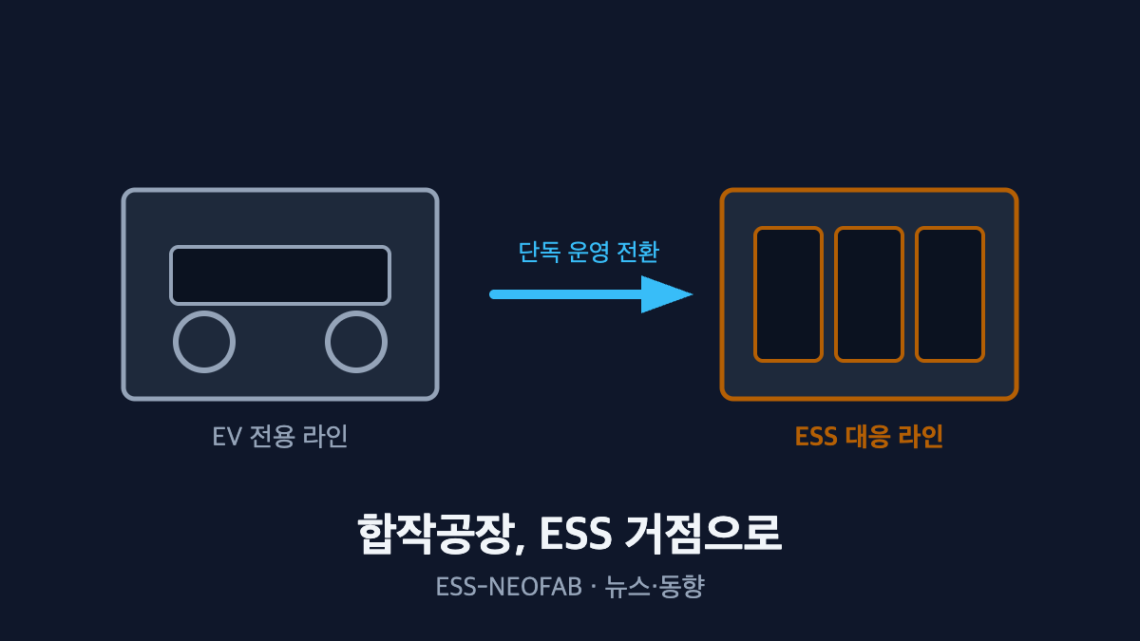
Samsung SDI Turns Its GM Joint-Venture Plant Into an ESS Hub
On August 11, 2026, Samsung SDI announced that it would acquire GM’s 49.99 % stake in SDI-GM Synergy Cells, its U.S. battery joint venture with GM, converting it into a wholly owned entity. The subject is the 27 GWh per year plant in New Carlisle (Indiana) (with an expansion plan of up to 36 GWh), and Samsung SDI intends to raise its U.S. ESS battery production capacity to about 30 GWh by the end of 2026. This article uses an assumed scenario to calculate how plant load is redistributed when the same GWh is filled with ESS cells instead of EV cells. Switching to ESS cells with higher energy per…
You May Also Like
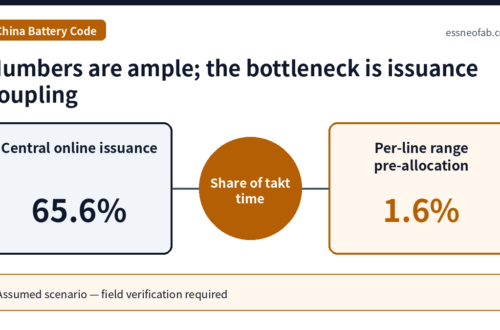
China’s GB/T 34014 24-Character Battery Code: How Code Structure Fixes Issuance Timing and Authority on the Line
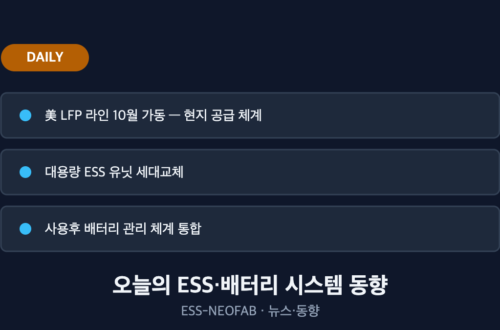
Today’s ESS/Battery System Trends — U.S. LFP Mass Production Imminent, Megapack 3 Launched, Used-Battery Platform Integration (2026.08.11)
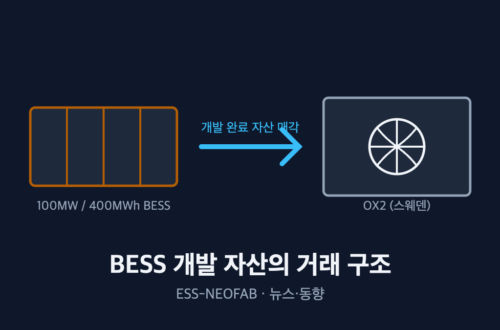
Hanwha Energy Sells Two Large Italian BESS Projects to Sweden’s OX2 — Evidence of European Development Capability