-
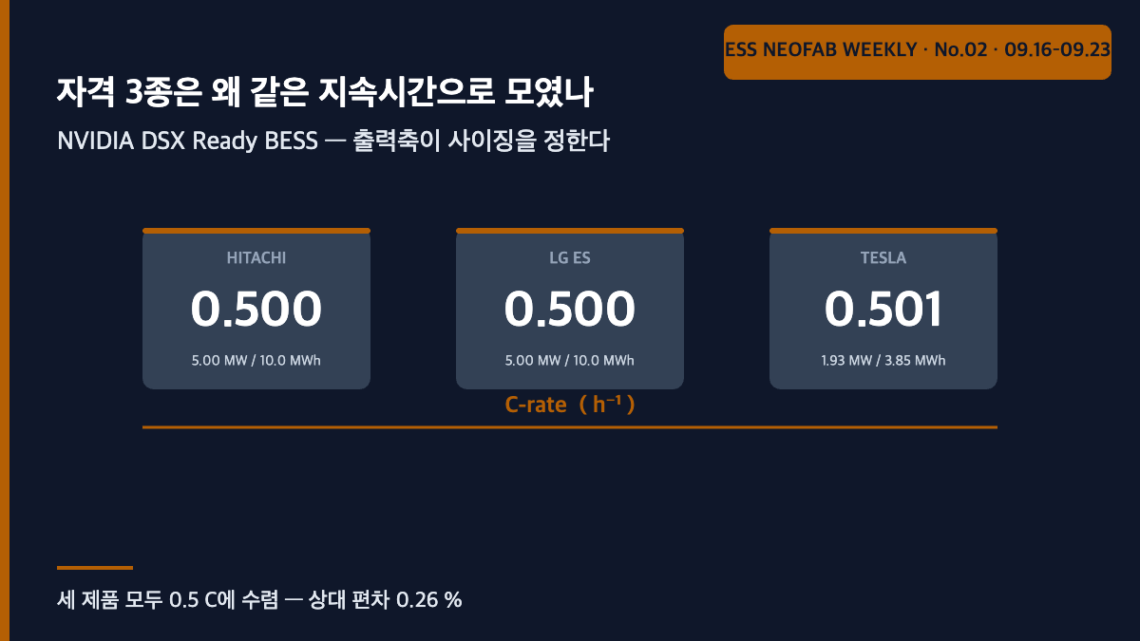
Why three qualified products landed on the same duration — in DSX Ready BESS, sizing is set by the output axis
NVIDIA's DSX Ready qualification programme, launched 21 September 2026, lists three BESS offerings whose C-rates converge within 0.26 % at 0.5 C. Of the three qualified functions only demand response governs energy capacity; under a 100 MW / 30 s assumption load buffering carries a 240x energy margin for free. Sizing is dominated by the output axis, and the remaining design variable is unit granularity, not energy capacity.
You May Also Like
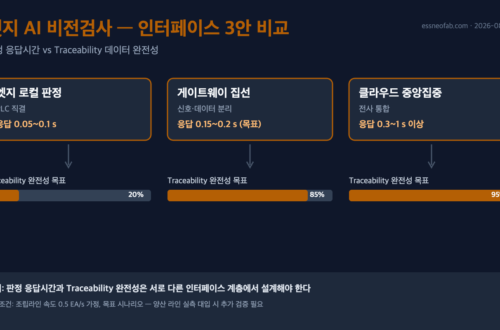
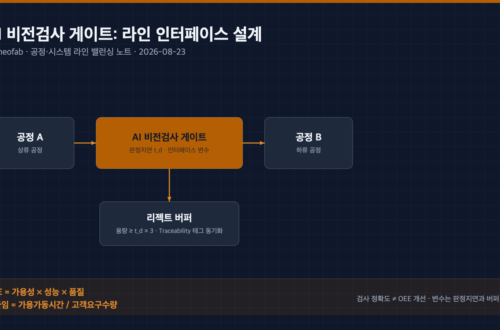
Edge AI Vision Inspection and Battery-Pack Leak Testing: How Gateway Aggregation Affects Traceability Completeness
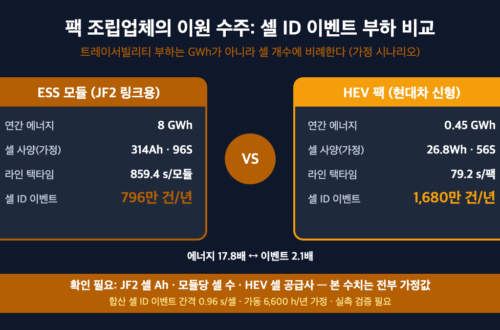
Sebang Lithium Battery’s Simultaneous HEV Pack and ESS Module Orders — Analyzing the Cell-Inbound Interface and Cell-ID Traceability Load
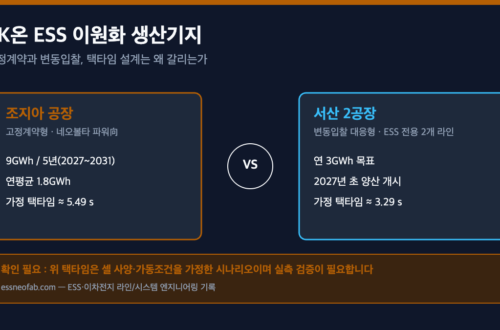
SK On’s Dual-Site ESS Production Bases — Where Fixed Contracts and Variable Bidding Split Takt Time Design
-
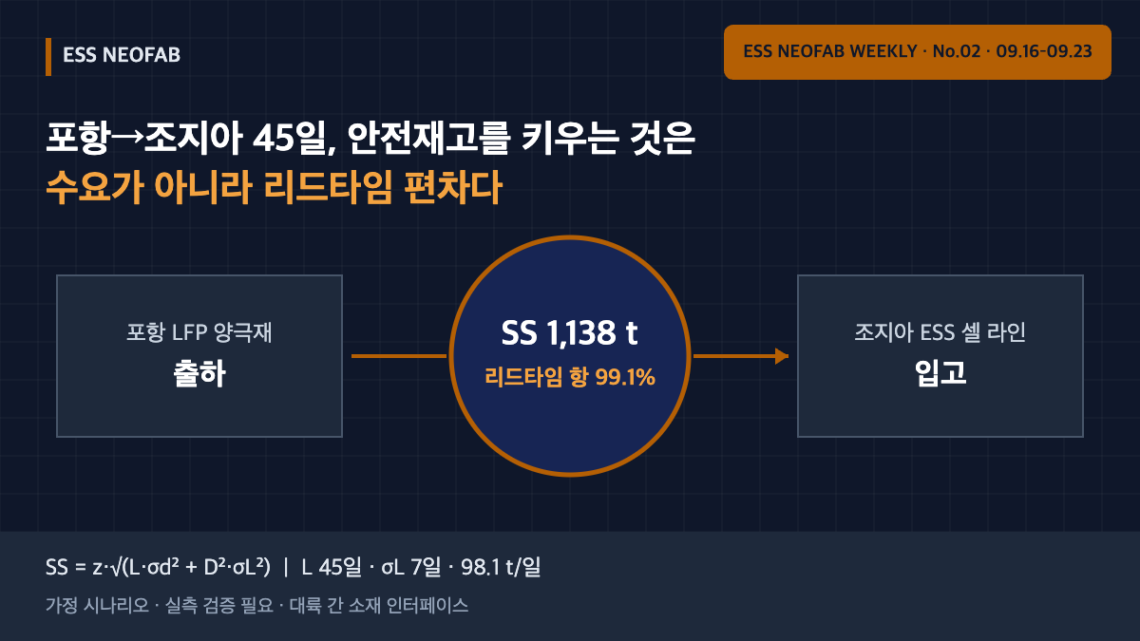
45 Days from Pohang to Georgia — Safety Stock at an Intercontinental Cathode Interface Is Driven by Lead-Time Variability, Not Demand
SK On’s roughly KRW 1.0742 trillion LFP cathode contract with POSCO Future M (2027–2029, for its Georgia ESS cell line) puts a continent and an ocean crossing between the materials and cell plants. Under an assumed scenario (45-day lead time, σL 7 days, 98.1 t/day), safety stock in front of the Georgia cell line is about 1,138 t, 99.1% of which comes from the lead-time variability term. Halving lead-time variability cuts it to 577 t; halving demand variability leaves it at 1,136 t. At an intercontinental interface, the management variable is the spread of arrival times, not the demand forecast.
You May Also Like
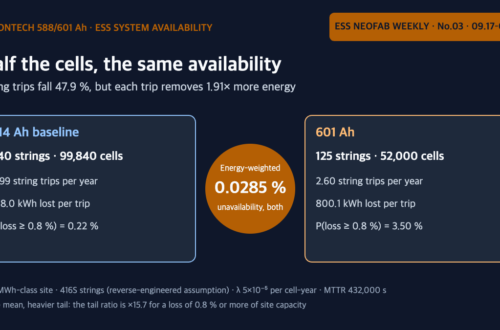
Pylontech’s 588 Ah and 601 Ah LFP Cells Enter Mass Production — Why Energy-Weighted Availability Stays the Same When the Cell Count Halves
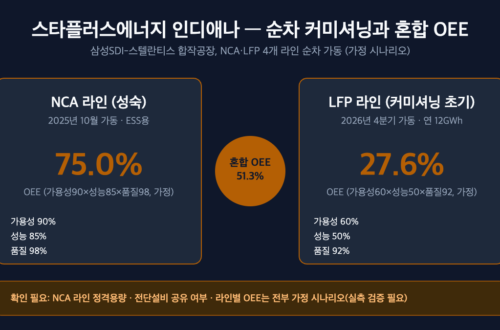
StarPlus Energy’s Indiana Plant — The Blended-OEE Illusion Created by Sequential NCA/LFP Commissioning
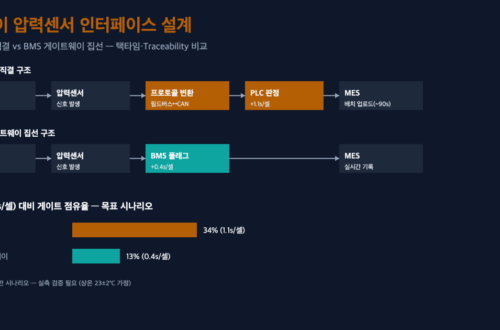
46-Phi Cylindrical Cell Line Conversion: The Pressure-Sensor–BMS Interface Determines Takt Time
-
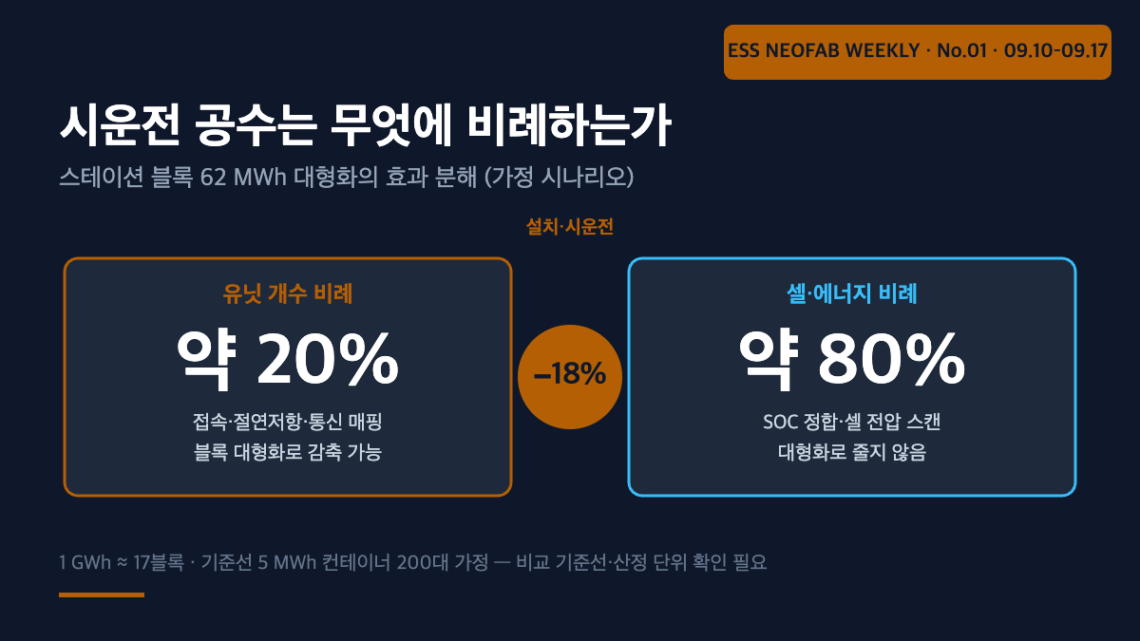
When the Station Block Grows to 62 MWh, What Actually Shrinks Is Commissioning Labor, Not Cell Count
On September 16, 2026, BYD unveiled its second-generation grid-forming station block, the "GC Block," in a maximum 10 MW/62 MWh single configuration, stating that a 1 GWh project would require approximately 17 blocks. The same announcement claimed a 69.4% reduction in BMS management complexity, a maintenance workload reduction of over 60%, and an installation/commissioning workload reduction of over 18%. Working backward from these three figures using the same assumed unit-count reduction rate (91.5% under a baseline assumption), the unit-count-proportional share of on-site commissioning labor turns out to be only about 20%, with the remaining roughly 80% proportional to cell/energy count. In other words, block enlargement is a lever that attacks…
-
LFP High-Compaction-Density Conversion and the Calendering Interface: How Nip Pressure and Line Speed Affect Takt Time
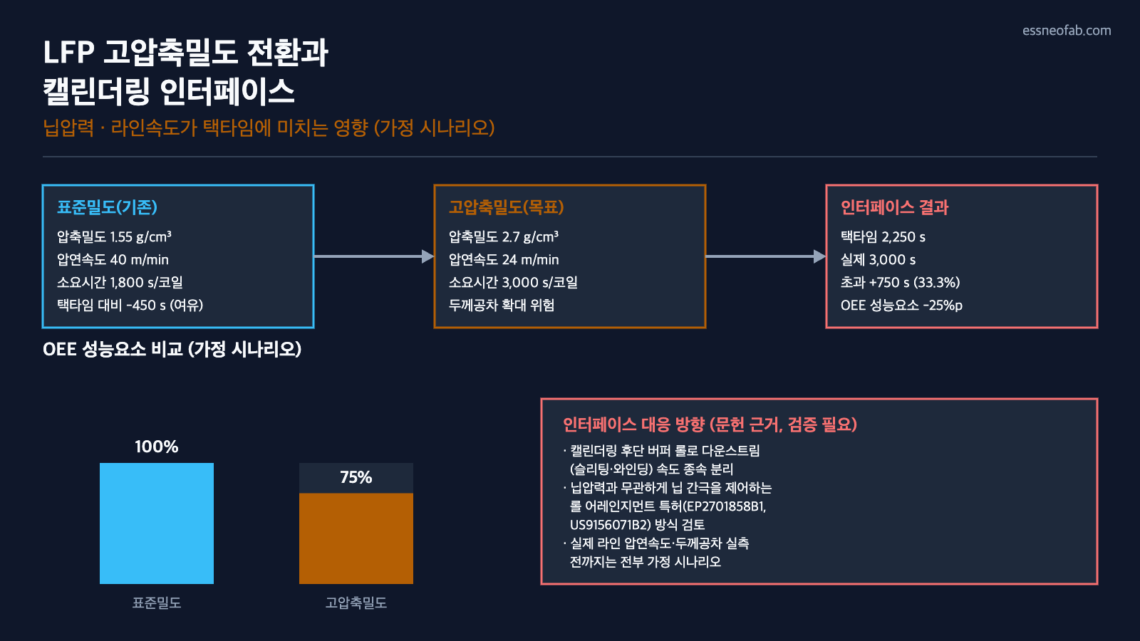
If the compaction density target for LFP (Lithium Iron Phosphate) cathode material — typically in the 1.4–1.6 g/cm³ range — is raised to the 2.7 g/cm³ class that L&F has disclosed as its end-2026 mass-production target, the nip pressure and line speed of the calendering (rolling) process must be redesigned, and this directly affects the takt time and OEE (Overall Equipment Effectiveness) performance factor of existing operating lines. In an assumed-scenario calculation, if the rolling speed decelerates from 40 m/min to 24 m/min, the calendering time per coil (1,200 m) increases from 1,800 s to 3,000 s, creating a bottleneck that exceeds the 2,250 s takt time by 750 s…
You May Also Like
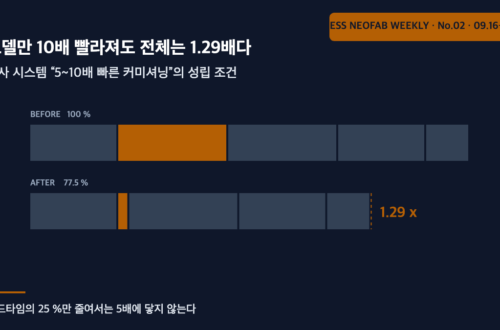
Even a tenfold faster model moves the whole by 1.29x — what “5 to 10 times faster commissioning” actually requires
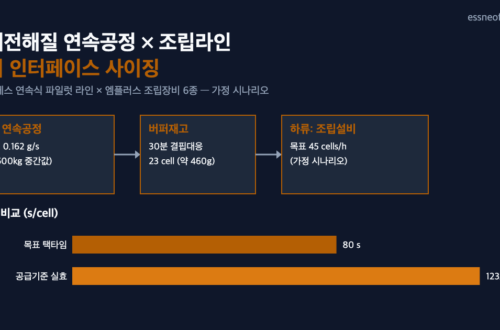
Between the Continuous Solid-Electrolyte Process and the Assembly Line: How Should the Buffer Interface Be Designed?
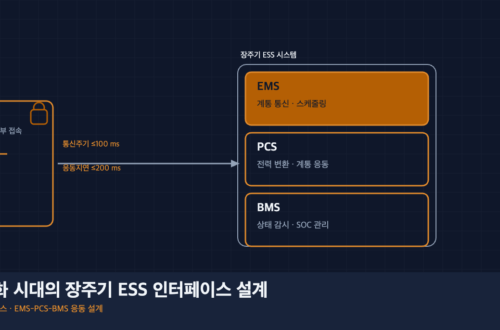
Long-Duration ESS Interface Design in the Era of Power-Grid Saturation
-
Grid-Forming PCS Mandate Redesigns FAT Takt Time and the BMS-PCS-EMS Interface
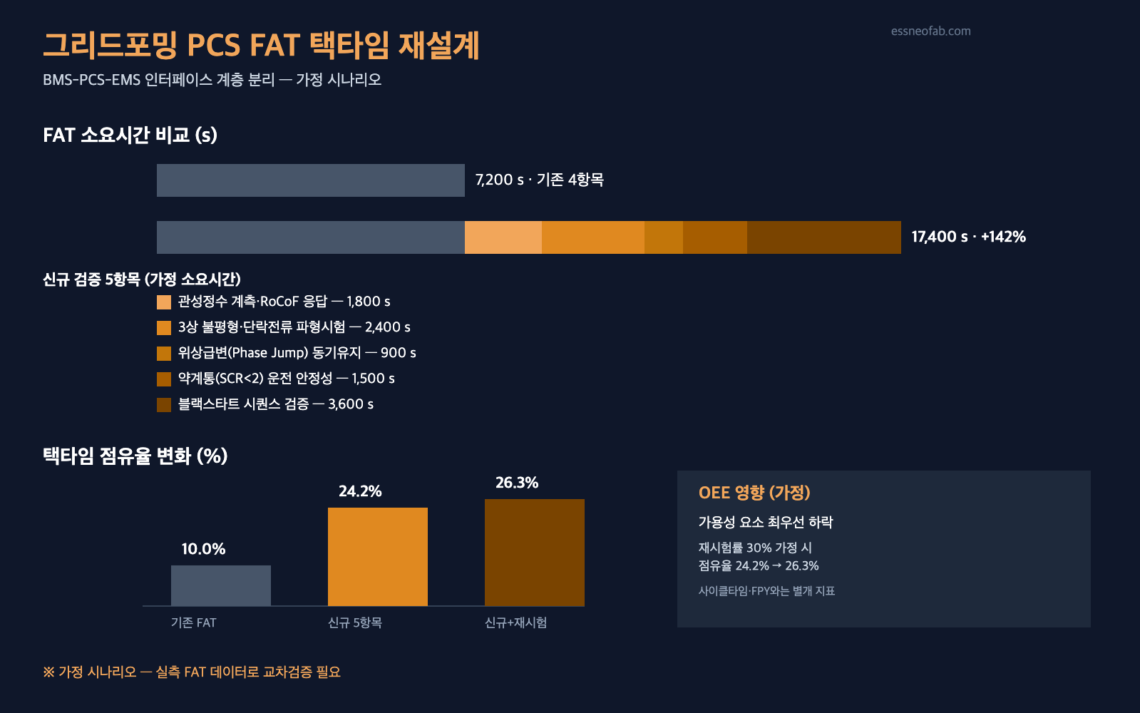
As grid-forming (GFM) inverter performance requirements become mandatory starting with long-duration BESS (Battery Energy Storage System) in the centralized-contract market scheduled for commercial operation in December 2027, five new verification stages are added to PCS (Power Conversion System) manufacturers' Factory Acceptance Test (FAT) lines. In an assumed-scenario calculation, per-unit FAT time increases by approximately 142% over the existing baseline, pushing the takt-time share from the 10% range to the 24% range, and if retests recur, the Availability factor of OEE (Overall Equipment Effectiveness) is the first to be shaken. At the same time, a design challenge emerges: a layer separation is needed between the grid-forming control loop, which requires sub-cycle…
-
Long-Duration ESS Interface Design in the Era of Power-Grid Saturation
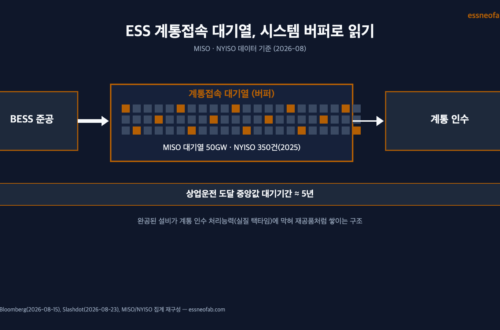
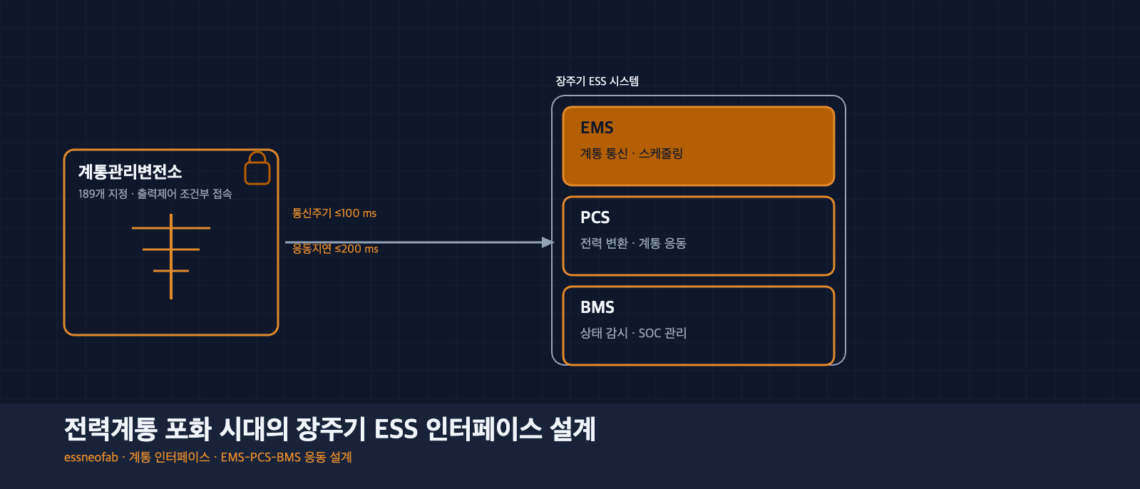
As 189 grid-management substations nationwide have, starting in 2026, been restricting new interconnection of renewable energy and large-scale demand through conditional curtailment, long-duration ESS (Energy Storage System) is shifting from a simple generation-consumption buffer into an essential variable in grid interface design. Korea's Ministry of Trade, Industry and Energy's centralized-contract market has presented a target of securing approximately 0.5 GW annually from 2026 to 2029, and a cumulative 21.5 GW by 2038, of long-duration ESS, which translates directly into standardization pressure on the communication and response specifications across the three-tier BMS-PCS-EMS hierarchy. In the current structure, where grid-interconnection queue information is not disclosed, designing margin into an individual ESS system's…
You May Also Like
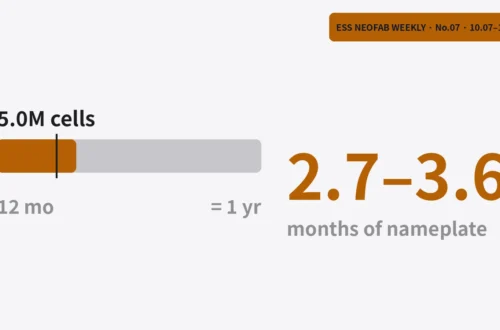
Five million ACC cells equal 2.7 to 3.6 months of nameplate output
Pylontech’s 588 Ah and 601 Ah LFP Cells Enter Mass Production — Why Energy-Weighted Availability Stays the Same When the Cell Count Halves
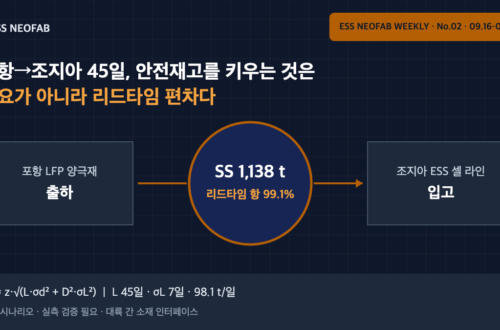
45 Days from Pohang to Georgia — Safety Stock at an Intercontinental Cathode Interface Is Driven by Lead-Time Variability, Not Demand
-
After Korea’s Battery History Management System: IDs Continue, Operating History Breaks — History Continuity of ESS Reuse Racks
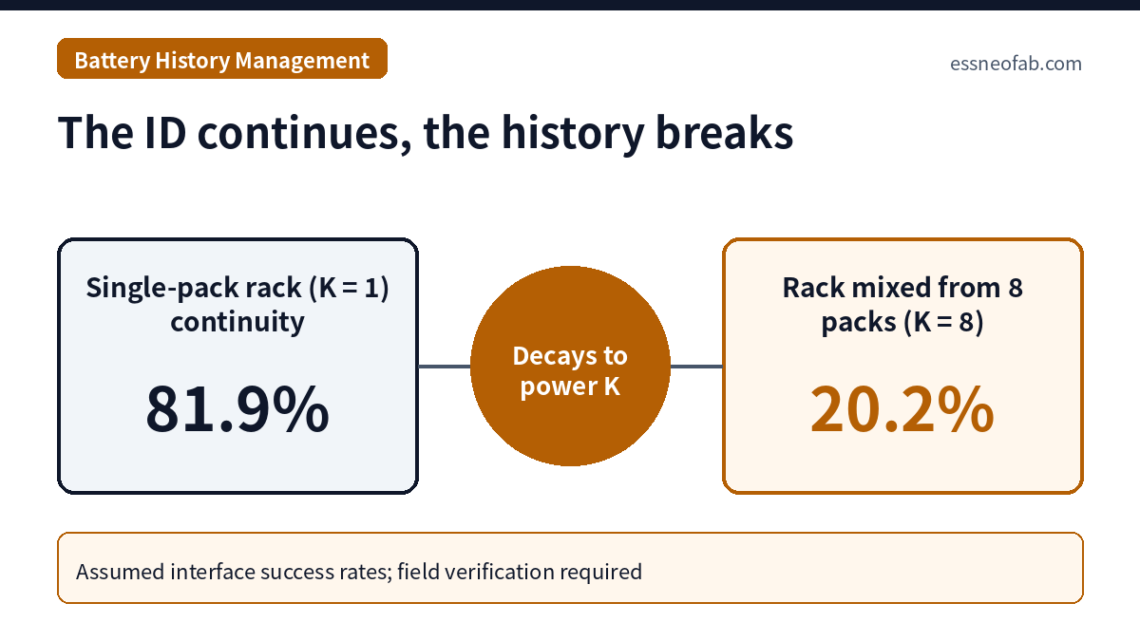
Korea's battery history management system under the amended Motor Vehicle Management Act, in force since 17 February 2025, requires the battery identification number assigned at the manufacturing stage to be registered in the vehicle registration record and tracked through operation and scrapping; the Used Battery Act promulgated in May 2026 (in force 27 May 2027) and the August 2026 agreement between the industry and climate-environment ministries on an integrated platform now extend it to later stages. Yet when assumed success rates are compounded across the six lifecycle interfaces, identification-number continuity is 91.0% while history continuity, including BMS operating data, falls to 81.9%. The larger variable lies in the reuse stage.…